Water extraction removes visible standing water from floors and carpets, but structural drying removes bound moisture deep inside wall studs, drywall, subfloors, concrete slabs, and joists. Using commercial dehumidifiers, high-velocity air movers, and psychrometric calculations, structural drying evaporates bound moisture and exhausts it before structural rot or mold colonies can take hold.
Certified Psychrometric Moisture Extraction
Structural Drying Services Inglewood CA
When water intrudes behind walls, under finished floors, or inside structural cavities, simple surface cleaning is never enough. Inglewood Water Damage Pros provides rapid, science-backed structural drying in Inglewood CA to pull trapped moisture from framing, drywall, and concrete slabs before mold or rot takes hold.
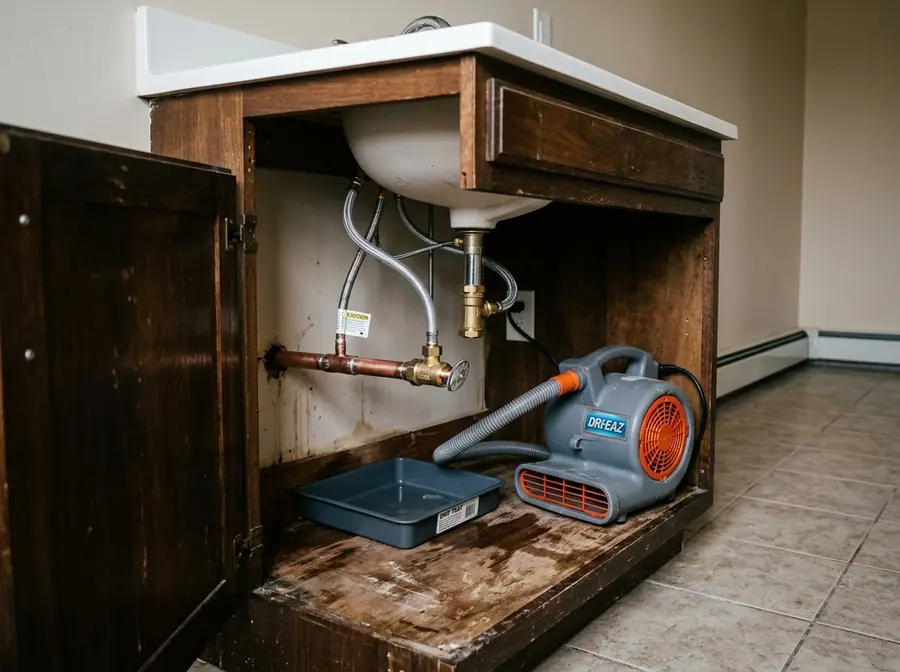
Controlled psychrometric drying. Zero guesswork.
Advanced Moisture Removal
What Professional Structural Drying in Inglewood Involves
Structural drying is a calculated science known as applied psychrometrics. It goes far beyond wiping up visible water or placing household fans against a damp baseboard.
When burst plumbing, appliance failures, or roof leaks strike an Inglewood property, water quickly wicks vertically into porous drywall, soaks through sill plates, and pools within subfloor assemblies. Without targeted water damage drying services Inglewood CA, trapped moisture causes wood framing to swell, sheetrock to lose its structural cohesion, and active microbial colonies to bloom within 24 to 48 hours.
Certified technicians pair immediate standing water extraction with industrial-grade Low Grain Refrigerant (LGR) dehumidifiers, high-velocity axial air movers, and micro-injection cavity drying equipment. High-capacity dehumidification creates an aggressive vapor pressure differential that forces embedded moisture out of structural elements without unnecessary demolition.
- ✓Non-Invasive Moisture Mapping: Calibrated pinless meters and infrared thermography pinpoint hidden moisture boundaries.
- ✓Preservation-First Approach: Save expensive hardwood flooring, cabinets, and double-layered drywall through directed airflow.
- ✓Microbial Growth Controls: Rapid humidity knockdown eliminates the conditions required for microbial proliferation.
- ✓Insurance-Grade Verification: Daily relative humidity (RH) and grains-per-pound (GPP) logs satisfy adjuster requirements.
The Science of Drying
Applied Psychrometrics: How Controlled Evaporation Works
Structural drying is not an art; it is thermodynamics. Technicians manipulate temperature, airflow, and vapor pressure to extract moisture from the densest building materials safely and quickly.
Step 01 · Extraction
Physical Water Removal
Physical extraction is 500 times faster than evaporation. Using weighted extraction units and truck-mount suction, liquid water is pulled out of padding, subfloors, and carpets before starting evaporative drying.
Step 02 · Boundary Layer
High-Velocity Airflow
Saturated materials form a boundary layer of cool, humid air at their surface that halts evaporation. High-velocity axial air movers break this stagnant barrier, driving moisture from deep within framing toward the surface.
Step 03 · Vapor Differential
LGR Dehumidification
Industrial Low Grain Refrigerant dehumidifiers lower grains per pound (GPP) in the air, creating a dry environment. The natural vapor pressure differential pulls moisture out of dense drywall, studs, and hardwood.
Step 04 · Verification
Dry Standard Validation
Every structural material has a natural equilibrium moisture content (EMC). Technicians test unaffected reference materials and do not pull drying equipment until damaged framing precisely matches that dry baseline.
Material Diagnostics
How Different Building Materials Are Dried in Place
Rather than tearing out structures, the primary goal is always material preservation. Review technical drying protocols for standard residential and commercial construction materials.
Systematic Restoration
5-Stage Applied Structural Drying (ASD) Process in Inglewood, CA
From the initial emergency dispatch call, certified technicians execute a rigorous, verifiable drying protocol.
01
Thermal Inspection & Moisture Mapping
Restoration specialists mobilize promptly 24/7. Using FLIR thermal imaging cameras, non-destructive moisture meters, and hygrometers, technicians identify every saturated boundary behind walls and under floors.
02
Bulk Standing Water Extraction
Truck-mounted and heavy-duty portable extractors deploy immediately to remove all standing water. Removing bulk liquid first drastically cuts total structural drying time.
03
Targeted Equipment Deployment
Technicians place Phoenix and Dri-Eaz LGR dehumidifiers, commercial air movers, and floor drying mat systems calculated according to IICRC S500 cubic-footage and material class formulas.
04
Daily Monitoring & Psychrometric Logging
Each day, a lead technician measures temperature, relative humidity, GPP, and material moisture content. Equipment is re-positioned as materials dry to optimize efficiency and ensure rapid progress.
05
Final Verification & Clearance Certificate
Final moisture verification confirms that all materials have reached dry standards before equipment is demobilized. Homeowners receive a full completion report with before-and-after moisture logs for insurance claims.
Verified Outcomes
Proven Structural Drying Results in Inglewood
Real scenarios from local residential and commercial properties where scientific drying saved structures from demolition.
Apartment Ceiling & Wall Leak in Downtown Inglewood
Before
A second-story bathroom supply line rupture soaked the subfloor and migrated through the party wall of a commercial storefront below. Drywall moisture meters pegged at 99%, and ceilings began to sag under water weight.
After
Emergency crews drained trapped ceiling water, installed directional Injectidry cavity systems behind baseboards, and ran 3 LGR dehumidifiers. In 4 days, moisture readings returned to 9.8% with zero sheetrock teardown or business shutdown.
Hardwood Floor Salvage in Morningside Park
Before
A dishwasher overflow flooded an entire kitchen and adjacent dining room with original 1940s white oak plank flooring. The wood planks began crowning and cupping severely within 24 hours of water contact.
After
Technicians sealed high-vacuum floor rescue mats across the room, pulling water directly from beneath the subfloor. Within 5 days of psychrometric monitoring, the oak flattened back down with zero permanent warping, saving the homeowner an expensive floor replacement.
Sub-Structure Crawl Space Flood in Fairview Heights
Before
An undetected main line pipe break pumped hundreds of gallons of water into a raised foundation crawl space for three days. Floor joists absorbed moisture up to 28% MC, creating a severe mold and rot hazard.
After
Technicians pumped out standing mud and water, sanitized exposed floor joists with botanical antimicrobial agents, and installed industrial desiccant drying units. After 6 days, all framing timbers measured a safe 12.5% MC.
Common Inquiries
Frequently Asked Questions About Structural Drying in Inglewood, CA
Clear, direct answers regarding equipment timelines, insurance billing, and moisture restoration standards.
Have a Question? Call (424) 550-5779 →Most residential structural drying projects in Inglewood take between 3 to 5 days under standard IICRC S500 protocols. Dense materials like tongue-and-groove hardwood, double-layer drywall, concrete slabs, and insulated crawl spaces may require 5 to 7 days. Technicians log temperature, relative humidity, and moisture content daily until readings reach verified dry standards.
Yes. Whenever clean water is addressed within 24 to 48 hours, restoration technicians deploy specialized non-invasive technology. Injectidry positive and negative air injection systems through tiny holes behind baseboards dry wall cavities, and hermetically sealed Floor Mat rescue systems pull moisture out of hardwood and subfloors without tear-out.
Consumer box fans and residential dehumidifiers only circulate ambient air across surface layers, which actually risks blowing active mold spores into untouched areas. Industrial LGR (Low Grain Refrigerant) dehumidifiers and axial air movers extract hundreds of pints of water vapor daily and maintain the vapor pressure differential needed to draw deep moisture out of structural building framing.
Yes, standard property insurance policies generally cover structural drying when water damage is sudden and accidental, such as from burst pipes, water heater ruptures, supply line leaks, or storm damage. In fact, most insurers require certified structural drying as part of your policy duty to mitigate secondary damage. Technicians provide full psychrometric logs, moisture maps, and direct insurance billing.
Comprehensive Restoration
Related Water Restoration Services in Inglewood, CA
From initial emergency pump-outs to final interior buildback, explore end-to-end restoration capabilities.
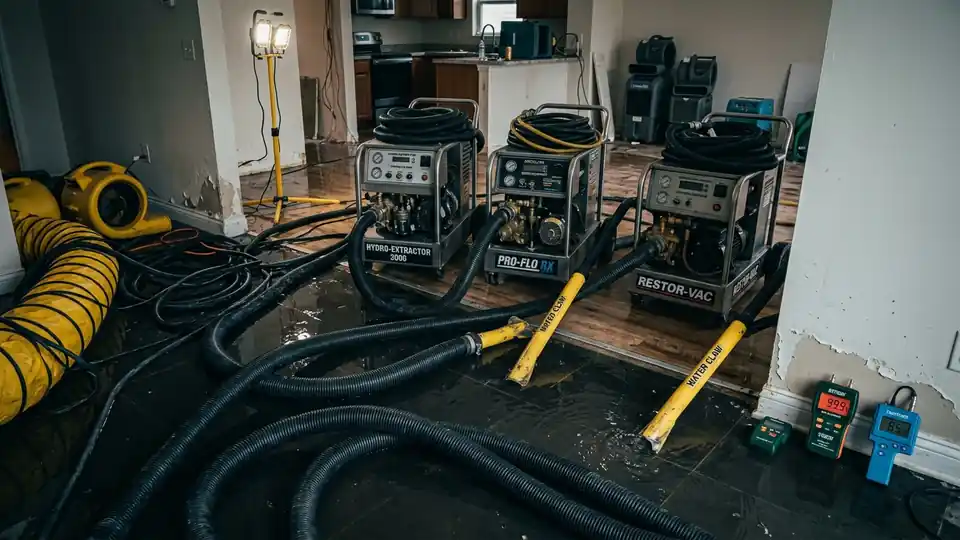 Water Extraction Services
High-volume truck-mounted extraction and submersible pump-outs that eliminate
standing floodwater and carpet saturation before structural drying begins.
Explore Service →
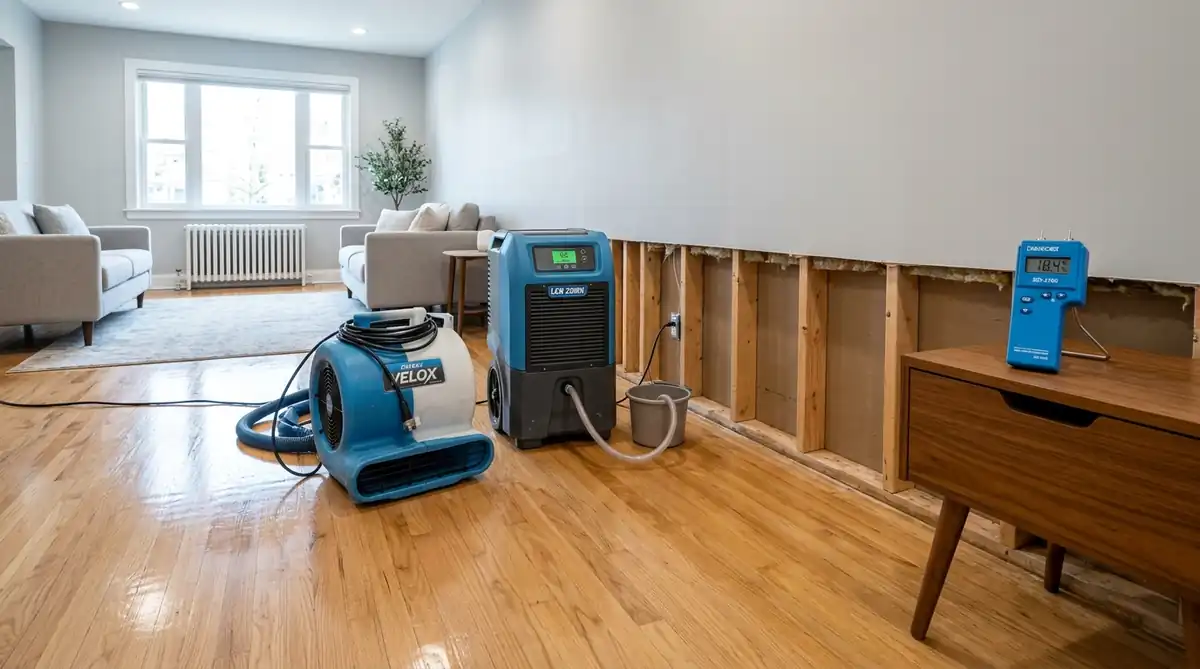 Water Damage Repair
Seamless post-drying reconstruction, including drywall hanging, texture matching,
trim replacement, subfloor rebuilding, and interior painting.
Explore Service →
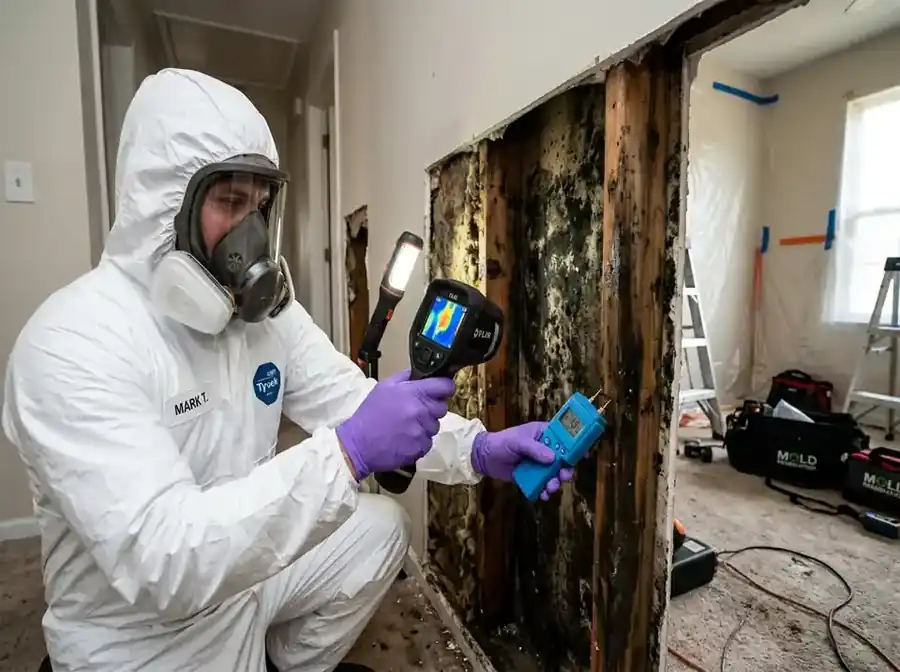 Mold Remediation
IICRC-certified containment, negative air machine filtration, and antimicrobial
sanitization for properties where moisture caused fungal growth.
Explore Service →
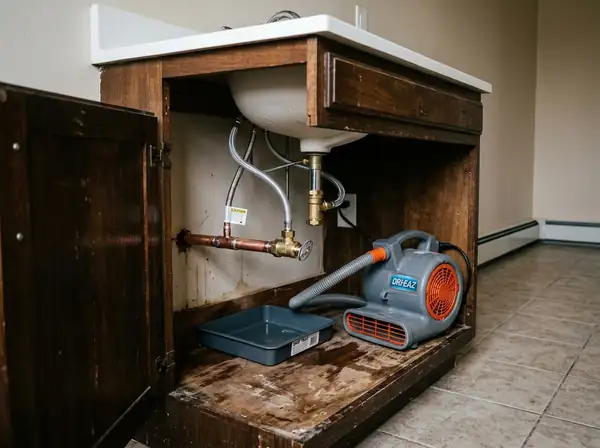 Burst Pipe Water Damage Restoration
Immediate water shutoff, high-pressure extraction, pipe repair, and cavity drying
for pressurized supply line failures in ceilings, walls, and slab foundations.
Explore Service →