Water Damage in Inglewood Knolls presents unique physical and environmental challenges directly tied to
the neighborhood's distinctive residential development. Established largely during the mid-20th century,
Inglewood Knolls features predominantly single-story ranch homes, California post-war bungalows, and
traditional single-family residential properties along quiet residential avenues between Centinela Avenue,
Florence Avenue, and Edward Vincent Jr. Park. Many of these homes feature original red oak hardwood
flooring laid over raised foundation joists or concrete slabs, alongside aging copper and galvanized
water supply lines.
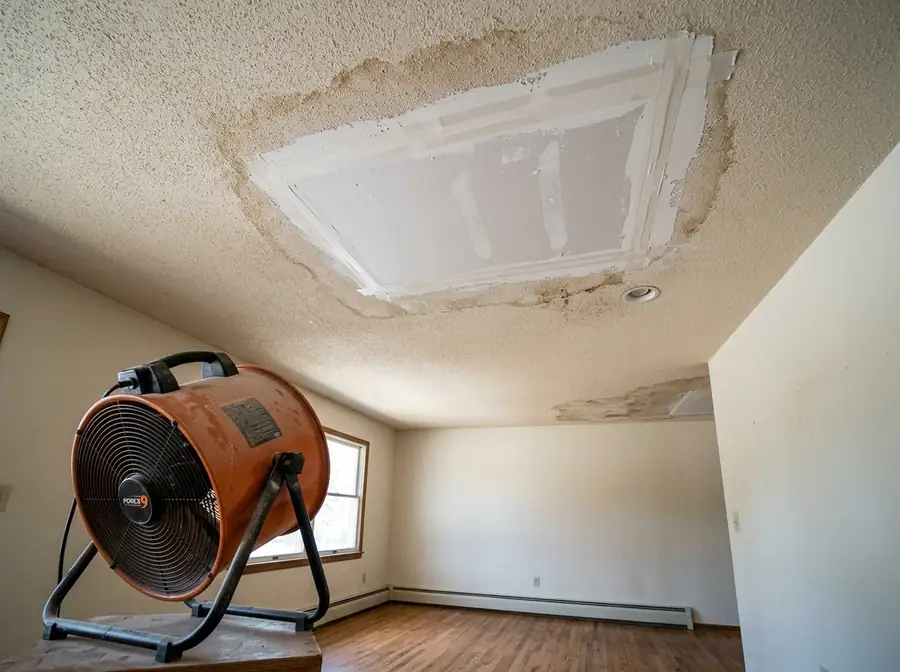
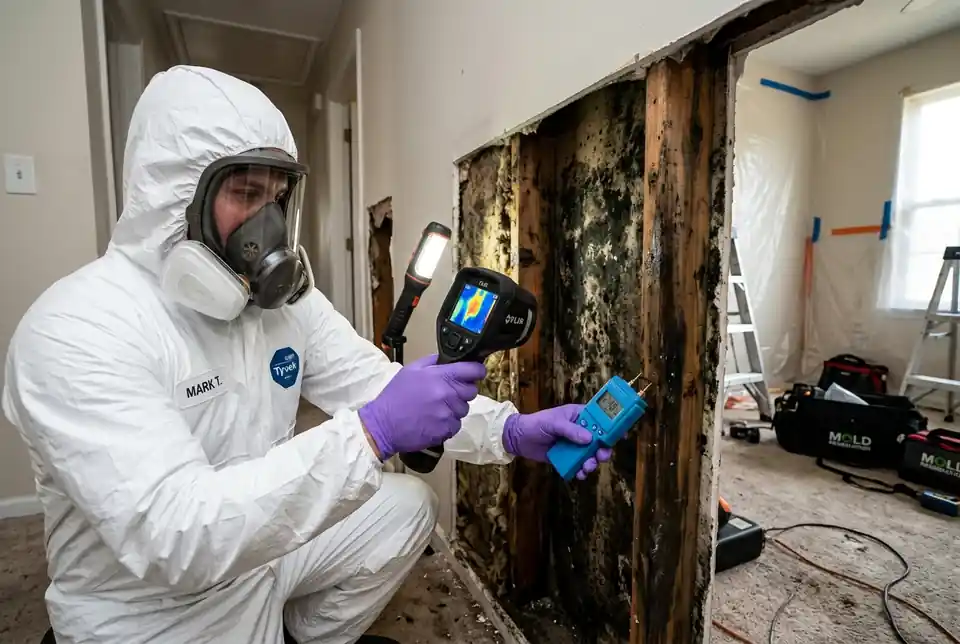
When pressurized water lines rupture or water heaters fail in enclosed utility
closets, moisture travels along horizontal framing paths, saturating drywall, baseboards, and subfloors
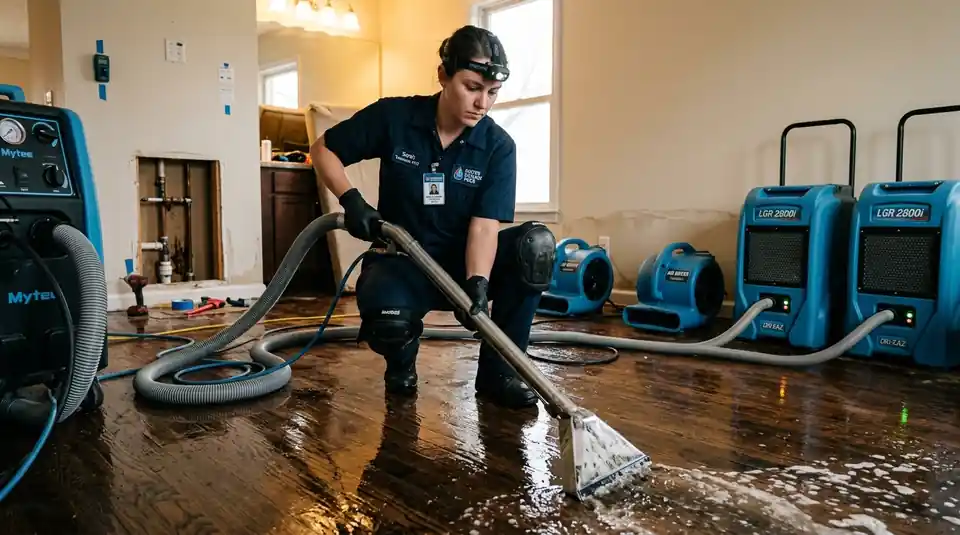
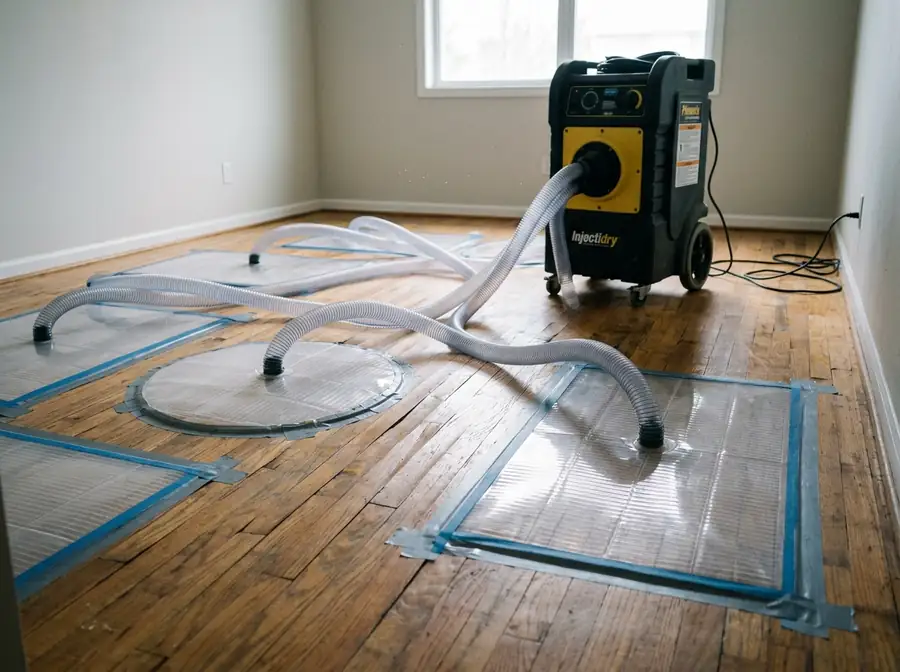
before puddling becomes visible. Saturated tongue-and-groove hardwood planks can cup or crown within 24
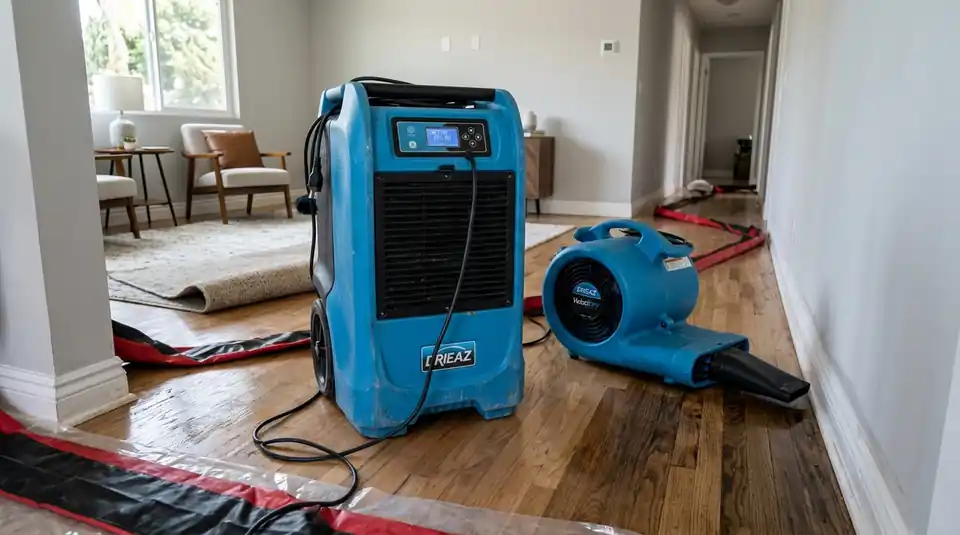
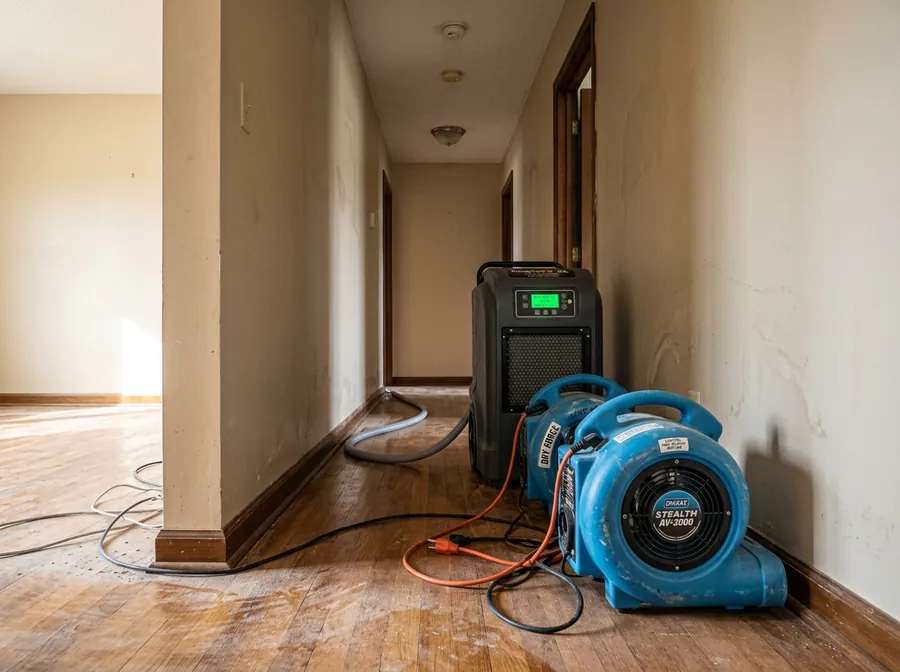
hours if bound moisture is not extracted under controlled negative pressure. Mobile emergency restoration
units navigate neighborhood access corridors to deploy non-invasive thermal imaging cameras, pinless
radio-frequency meters, and specialized hardwood drying mats, halting moisture migration without
unnecessary structural demolition.
Explore Inglewood Knolls restoration services →
Inglewood Knolls is situated over dense, expansive clay soils common to the Baldwin Hills basin. During dry
summer months the subsoil contracts, and during winter rain cycles it expands, applying hydrostatic and
torsional stress to concrete slab foundations and subterranean plumbing runs. This movement frequently
triggers pinhole slab leaks beneath interior living rooms and kitchens. Paired with evening coastal marine
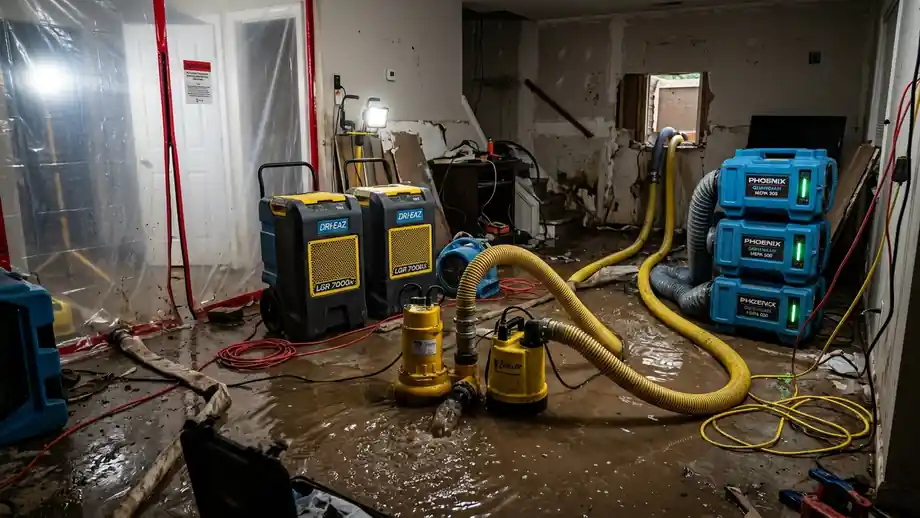
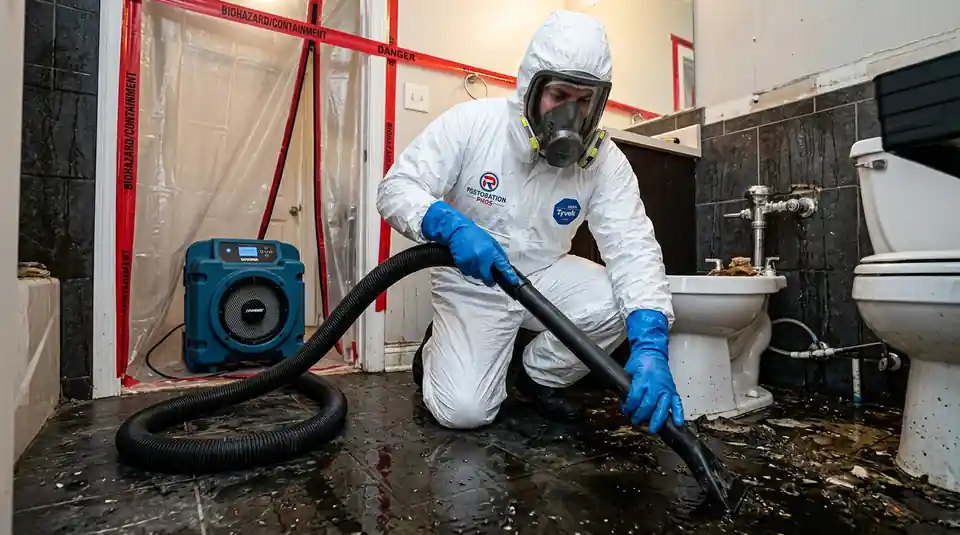
layers that increase ambient indoor humidity across the 90302 ZIP code, timely structural drying and LGR
dehumidification are critical to prevent mold spore germination.
Water Damage Inglewood · Inglewood Knolls Sector