Century Boulevard & Yukon Avenue Transit Corridor
Century Boulevard acts as the primary east-west commercial artery bordering Century Heights, connecting crews directly to interior residential streets via Yukon Avenue and Club Drive.
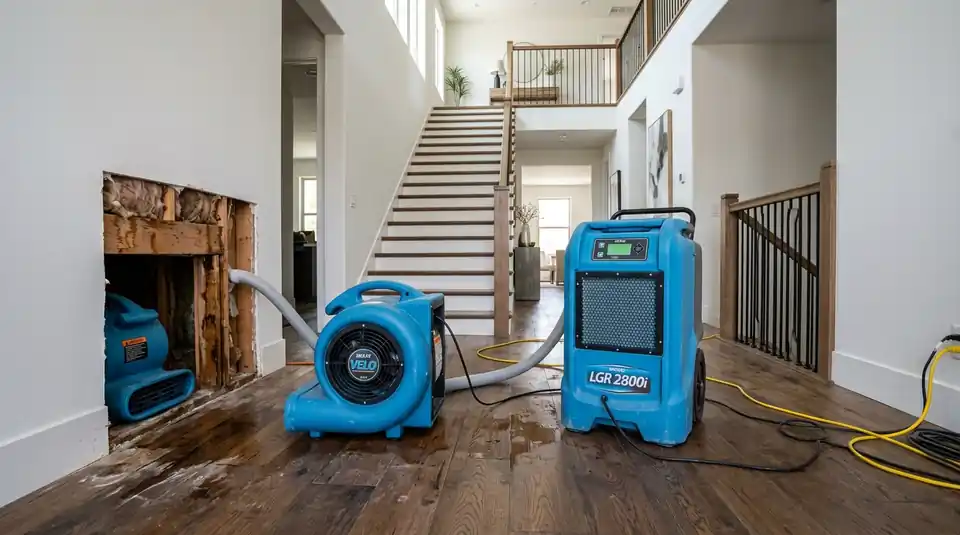
Targeted multi-level water extraction and inter-floor cavity structural drying across Century Heights residences and townhomes. Certified crews deploy directional drying injectors and commercial LGR dehumidifiers throughout 90303. Call (424) 550-5779 for 24/7 dispatch.
Restoration procedures in Century Heights address the multi-tier moisture migration common to local residences. Technicians execute controlled extraction, inter-floor cavity dehumidification, and structural drying adhering strictly to IICRC S500 guidelines.
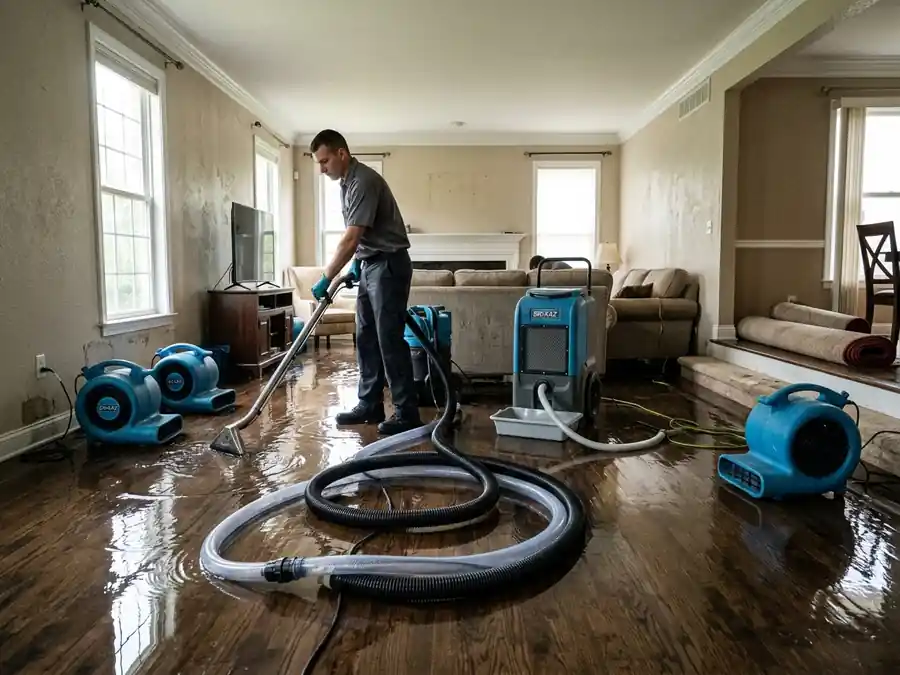
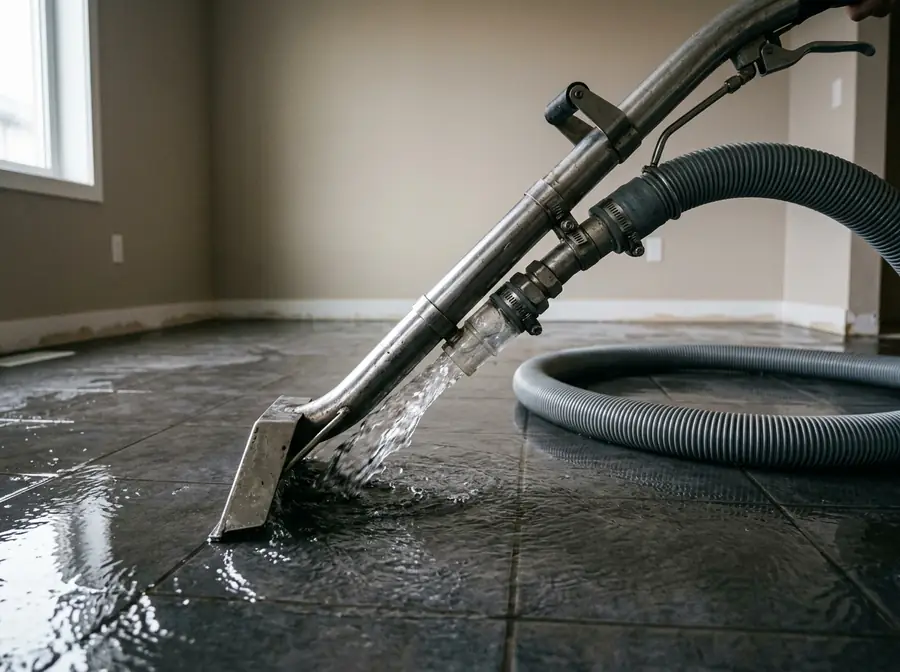
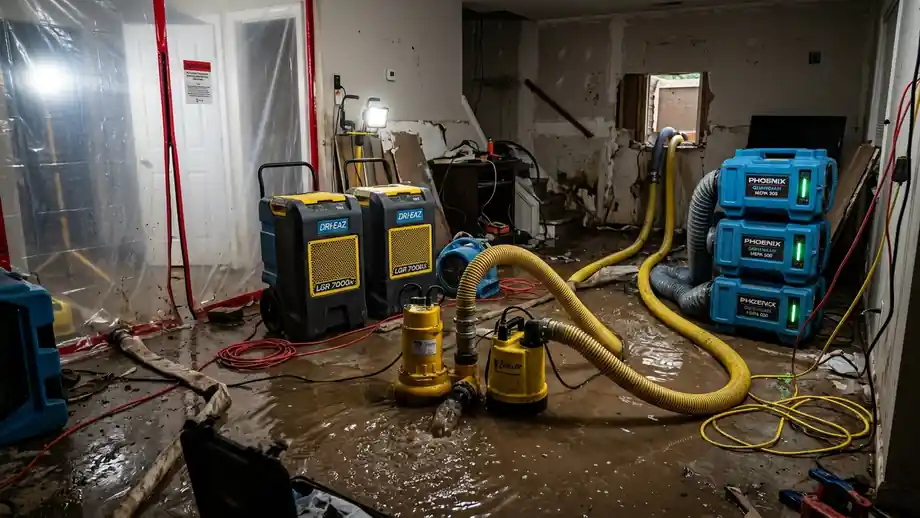
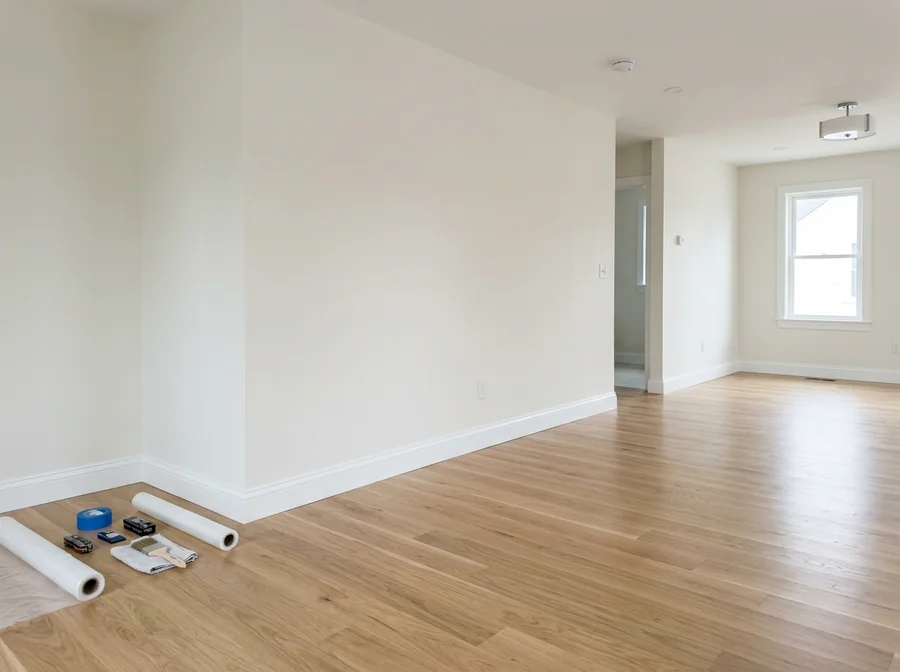
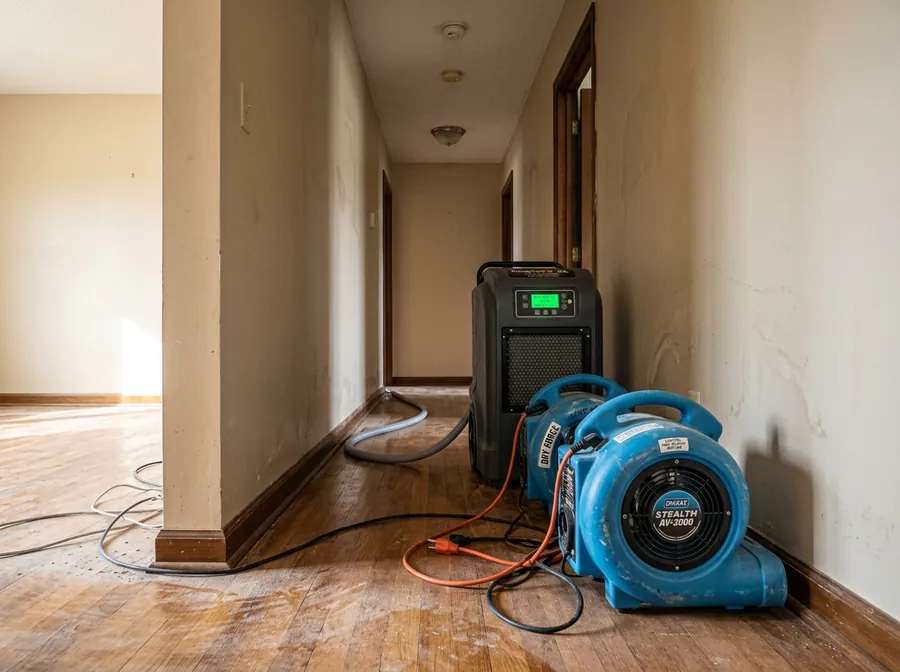
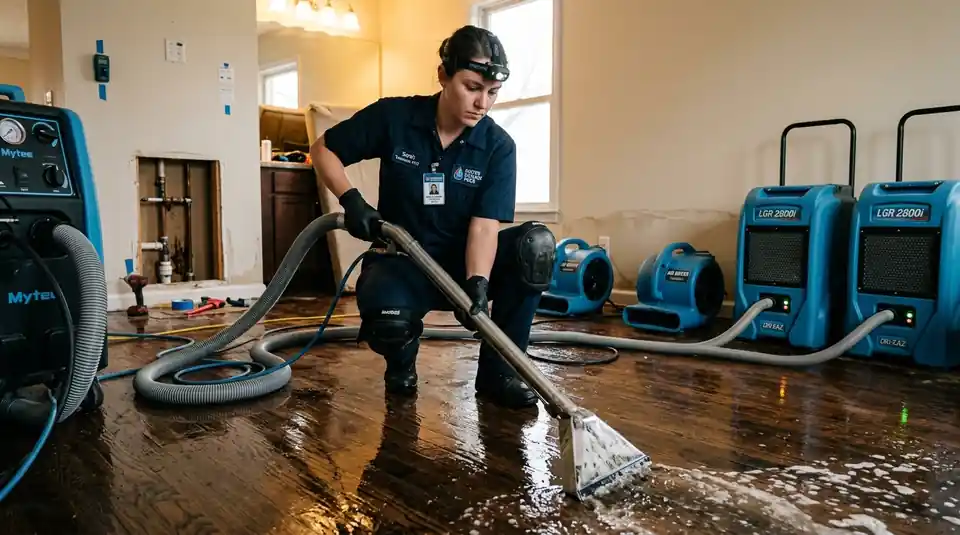
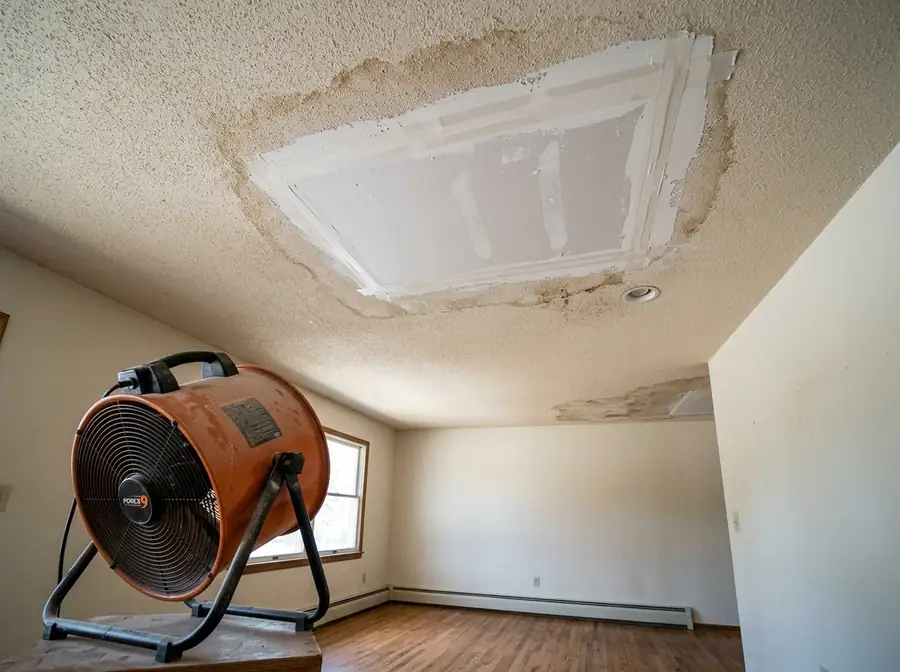
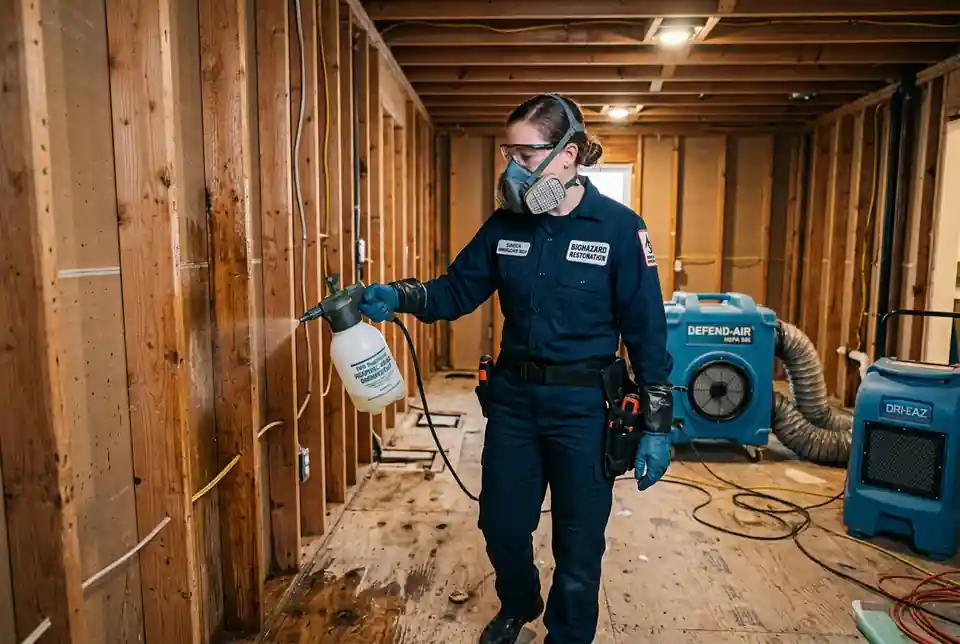
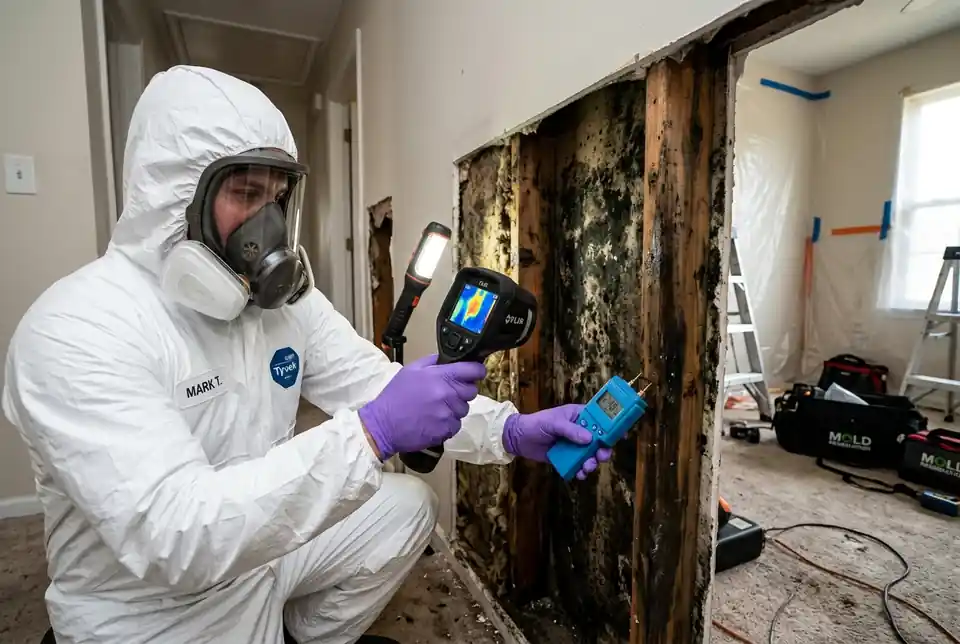
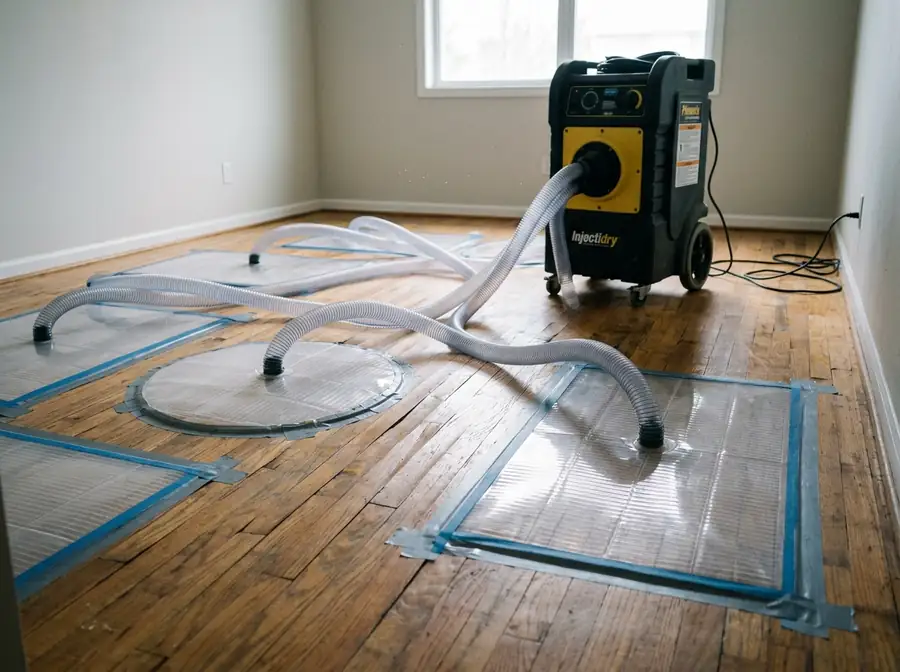
Water losses involving multi-story structures in Century Heights are categorized by volume and vertical dispersion under IICRC standards, dictating the necessary psychrometric extraction equipment.
| Water Loss Class | Vertical Migration Characteristics | Affected Building Assemblies | Specialized Equipment Deployed | Drying Objective |
|---|---|---|---|---|
| Class 1: Minimal Dispersion | Localized surface spill, minor single-level fixture overflow | Portion of single room, concrete or non-porous floor tiles | Standard low-profile air movers, commercial dehumidifier | Surface moisture evaporation before deeper material penetration |
| Class 2: Fast Evaporation | Second-floor bathroom or laundry supply line break | Upper flooring, subflooring, ceiling drywall below, structural joists | LGR dehumidifiers, vacuum extraction mats, air injection manifolds | Equilibrium moisture restoration across inter-floor cavities |
| Class 3: Overhead Multi-Tier Saturation | Major pipe rupture overhead or top-floor fixture flood | Drywall ceilings, entire wall cavities, insulation, multiple floor levels | High-capacity desiccant drying trailers, negative air scrubbers, multi-port injectidry | Deep structural moisture extraction and prevention of mold bloom |
Century Heights multi-level dwellings and modern townhomes exhibit distinct plumbing and architectural vulnerabilities. Mitigation strategies address the specific mechanics of each occurrence.
Upper-level plumbing fixtures operate under continuous water line pressure. When flexible braided supply lines or internal shower mixing valves fail, hundreds of gallons cascade into subfloors before the main shutoff can be engaged, traveling across joist spaces and penetrating downstairs ceilings.
Mitigation approach: Crews extract standing water from upper-level tile and hardwood, relieve hydrostatic weight on the downstairs ceiling through micro-drain ports, and install directional drying injectors to dry the floor assembly from both sides.
Pressurized copper riser pipes in Century Heights homes frequently run through central vertical utility chases spanning both stories. Mineral deposition and electrolytic pitting produce pinhole punctures that spray inside wall cavities, saturating insulation and wood studs without immediate surface cues.
Mitigation approach: Technicians employ acoustic detection sensors and high-resolution FLIR thermal cameras to pinpoint the exact leak zone. Following plumbing isolation, targeted wall vents allow dehumidified air circulation to dry studs without wholesale drywall gutting.
When water enters an inter-floor cavity, it spreads laterally along wooden joists and pools on the paper facing of ceiling drywall. Saturated ceiling plaster or drywall sags under water weight, creating structural hazards and risking electrical short circuits in recessed lighting fixtures.
Mitigation approach: Restoration technicians stabilize ceiling framing, safely remove saturated acoustic insulation, and channel negative airflow across joist cavities to reverse moisture absorption before drywall delamination occurs.
Many two-story layouts in Century Heights place laundry rooms on the upper level for convenience. A ruptured washing machine discharge hose or clogged vertical standpipe sends warm, grey water into the second-floor subfloor, soaking hall baseboards, stairwell walls, and ground-floor ceilings.
Mitigation approach: Crews extract Category 2 grey water using weighted extraction wands, treat all affected structural timbers with EPA-registered botanical antimicrobials, and deploy HEPA-filtered air scrubbers to maintain indoor air cleanliness.
Mitigating multi-level water intrusion follows an engineered protocol designed to protect both the upper origin level and lower structural areas.
High-sensitivity thermal cameras trace water movement across ceilings, stairwells, and wall cavities to establish exact moisture boundaries.
High-amperage extraction equipment evacuates standing water from both upper flooring assemblies and lower pooling zones.
Specialized injectidry systems push heated, desiccated air into concealed joist bays to evaporate moisture trapped between floors.
EPA-registered antimicrobials treat exposed framing, while HEPA air filtration captures airborne particulate and fungal spores.
Daily psychrometric logs confirm framing and subfloors have met dry standards, generating comprehensive insurance claim documentation.
Discoloration, water rings, or sagging on downstairs drywall ceilings
Spongy or flexible spots on second-story subfloors near bathrooms
Flickering ceiling light fixtures or tripped circuit breakers beneath upper baths
Damp, musty smells emerging from vertical wall cavities or return air vents
Cracked or loosening floor tiles along second-floor shower thresholds
Fast emergency dispatch to Century Heights utilizes strategically selected thoroughfares in south-central Inglewood. Mobile restoration units navigate around commercial corridors and stadium event zones to maintain consistent neighborhood arrival routes.
Century Boulevard acts as the primary east-west commercial artery bordering Century Heights, connecting crews directly to interior residential streets via Yukon Avenue and Club Drive.
Secondary east-west connectors including 104th Street and Hardy Street allow mobile response units to reach residential properties smoothly without encountering Century Boulevard signal delays.
Proximity to Hollywood Park, SoFi Stadium, and the Intuit Dome requires active traffic monitoring. Dispatch units leverage western neighborhood street access during high-volume event windows.
Positioned north of Imperial Highway, response vehicles utilize quick north-south arteries including Doty Avenue and Prairie Avenue to service Century Heights properties efficiently.
Dedicated restoration vehicles equipped with structural drying injectors, commercial LGR dehumidifiers, HEPA air filtration units, and thermal cameras operate 24/7.
Mobile crews serve multi-level residences, townhomes, and single-family houses across the 90303 postal sector and adjacent south Inglewood blocks. 24/7 service is fully operational along all local streets.
Century Blvd · 104th Street · Yukon Ave · Hardy Street · Doty Ave · Club Drive Area
From Century Heights, mobile restoration crews provide 24/7 rapid dispatch across every residential and commercial community in the city.
Positioned along Century Blvd, Prairie Ave, Yukon Ave, and Imperial Hwy for 24/7 service.
Authoritative technical guidance for homeowners managing multi-level water emergencies in the 90303 area.
Speak with a Dispatch Specialist →Multi-story water damage restoration in Century Heights requires gravity-focused moisture mapping. Technicians trace water paths from second-story origins down through subfloors, joist cavities, interior wall chases, and first-floor ceilings. Specialized directional injectidry equipment pumps desiccated air directly into inter-floor spaces, preventing the need to tear out entire ceilings while drying framing members to IICRC standards.
Most hidden ceiling leaks in Century Heights stem from second-floor bathroom plumbing, including degraded toilet wax rings, failed shower pan membranes, cracked tub overflow gaskets, or pinhole punctures in pressurized copper supply lines. Water pools horizontally across drywall ceilings before breakthrough occurs, often saturating fiberglass insulation and electrical conduits.
Clean water (Category 1) losses in wooden joists and subfloors can often be dried in place using positive or negative air injection systems combined with high-capacity LGR dehumidifiers. However, saturated blown-in or batt insulation within ceiling cavities loses thermal resistance and traps moisture against drywall, making controlled extraction of affected insulation necessary to prevent fungal amplification.
Century Heights residential construction frequently utilizes copper supply lines installed in multi-story wall cavities. Over time, internal chemical pitting from municipal water dynamics, galvanic reactions, and continuous water pressure induce microscopic pinhole leaks that mist water inside closed wall framing long before visible surface staining appears.
Most standard homeowner policies cover sudden, accidental discharges from pressurized plumbing systems, such as burst supply hoses or split pipe fittings. Gradual unaddressed leaks may face policy limitations. Certified restoration teams document the loss with thermal moisture mapping, psychrometric records, and itemized Xactimate claim formatting for insurer review.
Drying an inter-floor cavity assembly typically requires three to five days of continuous psychrometric dehumidification and targeted air movement. Daily digital moisture logging tracks moisture content across subflooring, joists, and drywall until all materials reach verified baseline dry standards.
Multi-story water intrusion spreading through ceilings and walls? Emergency restoration response is available 24/7 with immediate mobile dispatch across the 90303 area. Call (424) 550-5779 for rapid structural drying, water extraction, and direct insurance billing.
Connect with the 24/7 dispatch desk at (424) 550-5779 for emergency water damage restoration in Century Heights. Mobile restoration units equipped with inter-floor cavity drying extractors, LGR dehumidifiers, and thermal inspection gear deploy immediately.