How much does water damage restoration cost in Inglewood
Water damage restoration costs in Inglewood vary based on water category, saturation severity, structural materials, and required drying equipment. Here is what drives the cost.
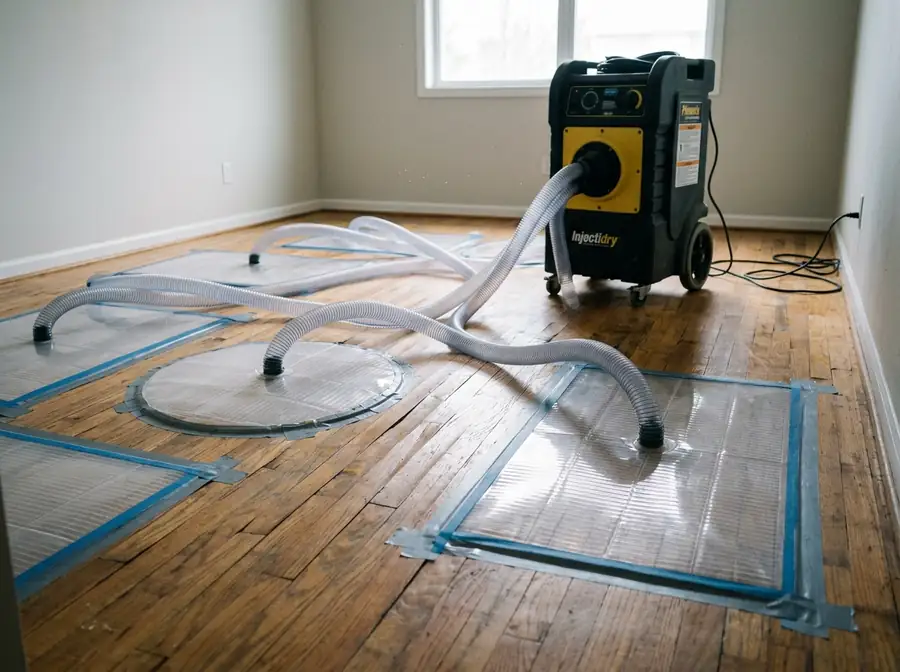
Water damage restoration costs in Inglewood depend directly on how much water entered the structure, which building materials were affected, and how promptly extraction began. Caught-early clean water leaks require less equipment and drying time, while Category 3 contaminated backups or prolonged saturation requiring drywall demolition and microbial remediation represent more extensive restoration projects.
Below is a comprehensive guide to understanding water categories, structural drying requirements, insurance coverage standards, and how itemized scopes are determined during an on-site inspection across Inglewood properties.
Key components of water damage restoration
Professional water damage restoration comprises four fundamental phases: rapid liquid extraction, psychrometric structural drying, controlled removal of unsalvageable porous materials, and structural rebuild. Bypassing any step can lead to structural compromise and progressive microbial growth.
Restoration scopes are primarily categorized by contamination level:
- Category 1 (Clean Water): Originates from clean plumbing supply lines, ice makers, or sink overflows caught within hours.
- Category 2 (Gray Water): Contains chemical or microbial contaminants, such as dishwasher discharge, washing machine overflows, or slab line seepage.
- Category 3 (Black Water / Biohazard): Grossly unsanitary water from sewer backups, river/street flooding, or stagnant standing water past 48 hours.
- Microbial Remediation: Necessary whenever elevated moisture fosters spore proliferation on drywall framing, subfloors, or insulation.
Larger properties or multi-story structures require proportionately greater equipment arrays to ensure deep moisture removal across extensive wall cavities and subfloor systems.
Material and structural cost drivers
Restoration estimates reflect the square footage and specific materials saturated. Dense or porous building components require distinct drying protocols:
- Carpet and Padding: Surface water extraction combined with carpet pad disposal when contaminated.
- Commercial Dehumidification: Low-grain refrigerant (LGR) dehumidifiers paired with high-velocity air movers running continuously until dry baselines are met.
- Antimicrobial Application: EPA-registered botanical biocides applied to framing and concrete slabs to halt fungal activity.
- Reinstallation & Finishing: Replacing subflooring, baseboards, and floor coverings to pre-loss condition.
Hardwood and engineered flooring demand specialized vacuum mat systems to pull water from deep grain patterns. When water migrates beneath tile or stone flooring, subfloor moisture must be evaluated to prevent hidden framing deterioration.
What factors affect water damage restoration cost in Inglewood
Six primary variables shape the restoration scope, and property owners can assess their situation against these criteria:
1. Water category
Clean supply line leaks require straightforward extraction and drying. In contrast, Category 3 sewage backups require full PPE, hazardous waste disposal, negative-air containment, and hospital-grade sanitization.
2. Duration of exposure
Microbial proliferation begins within 24 to 48 hours in typical indoor environments. Immediate mitigation halts fungal development, whereas unaddressed moisture dramatically expands remediation scope.
3. Materials affected
Drywall and baseboards can often be dried if caught early, but historic plaster walls common in older Inglewood neighborhoods like Morningside Park require extended drying times and specialized texture matching.
4. Square footage and layout
Commercial drying equipment is staged according to cubic volume and surface area. Multi-room losses require larger air mover configurations and high-capacity LGR units.
5. Access and demolition required
Trapped moisture within wall cavities, behind built-in cabinetry, or under tile floors necessitates targeted access cuts and subsequent reconstruction.
6. Hidden moisture
Calibrated moisture meters and thermal imaging cameras frequently reveal moisture migration two to three feet beyond visible surface water marks.
The impact of immediate emergency response
Emergency dispatch is available 24/7 because rapid intervention directly minimizes the overall scope of loss. Extracting liquid water within the initial hours cuts structural drying time significantly.
Prompt extraction prevents secondary damage such as subfloor warping, drywall sagging, and mold spore colonization. In water mitigation, early response preserves materials that would otherwise require complete replacement.
Emergency response teams handle emergency water damage restoration in Inglewood around the clock to mitigate losses before progressive saturation sets in.
Does insurance cover water damage restoration in Inglewood?
Most standard homeowners and commercial property policies in California cover sudden and accidental water discharges, such as ruptured supply pipes, water heater bursts, and accidental appliance overflows. Gradual leaks, maintenance neglect, and external rising floodwaters are typically excluded unless covered by a separate flood policy.
Standard covered claim items include:
- Water extraction and structural psychrometric drying
- Controlled demolition of unsalvageable building materials
- Microbial remediation resulting directly from the covered loss
- Reconstruction and replacement of damaged finishes
- Temporary living accommodations if the property is rendered uninhabitable
Thorough documentation—including date-stamped moisture logs, photographs of the source and water levels, and itemized Xactimate estimates—supports straightforward insurance claim processing.
How to arrange a water damage inspection in Inglewood
Arranging a water damage restoration inspection in Inglewood begins with a call to local emergency dispatch. Restoration specialists inspect, meter the moisture, and provide an itemized written scope of work before equipment is staged.
What to have ready for the inspection:
- The source of the leak, if known—shut the water off first if accessible safely
- Insurance policy carrier and claim information
- Photos taken before items were moved
- Any prior repair records for plumbing or roofing
Work begins once the property owner reviews and approves the written scope. Clear, itemized documentation ensures transparent billing without surprise changes.
For losses involving sewage, storm intrusion, or water that reached the subfloor, restoration crews follow a comprehensive flood damage restoration Inglewood protocol, including extraction, antimicrobial treatment, and daily psychrometric drying logs required by insurance adjusters.
Common mistakes that increase restoration scope
The single most costly mistake is delaying action:
- Running a shop vac and calling it done: A wet/dry vac pulls surface water only. It does nothing for moisture inside wall cavities or beneath subflooring where mold proliferates.
- Turning up the heat and opening windows: Inglewood evenings often bring cool, humid marine layer air that re-wets structural materials.
- Pulling up carpet but leaving the pad: Saturated carpet pad holds water like a sponge and must be removed to protect the subfloor.
- Skipping moisture metering: Visible water lines rarely reflect the full boundary of moisture migration.
- Filing insurance claims late: Carriers require prompt notification following sudden and accidental events.
- Attempting untrained sewage cleanup: Category 3 black water carries dangerous pathogens requiring certified containment and EPA-approved disinfectants.
Improper drywall removal spreads contaminated dust through the home and expands the required remediation area. Certified restoration crews perform controlled containment cuts.
When to call a professional
Professional restoration is recommended when moisture penetrates porous surfaces—including drywall, wood framing, carpet padding, and subfloors. Immediate dispatch is crucial if water originates from sewage lines or has remained stagnant for over 24 hours.
While small surface spills on sealed tile can be wiped dry, slab leaks, plumbing ruptures, and storm intrusions require calibrated meters, truck-mounted extraction, and commercial dehumidification.
Restoration specialists in Inglewood manage extraction, structural drying Inglewood, mold remediation, and complete structural rebuilds. Service covers all Inglewood neighborhoods, including Downtown Inglewood and surrounding historic districts.
For more information on emergency mitigation, explore the full water damage restoration Inglewood CA overview.
Get help with Water Damage in Inglewood
When water intrudes, prompt extraction and drying protects structural framing and expedites insurance claim handling.
Call (424) 550-5779 for emergency dispatch and on-site moisture assessment across Inglewood.